Boiler or Chiller Replacement: Planning for School Facilities Over Summer Break
The break feels long until the equipment lead time, the crane and the commissioning are all counted against it.
October 20, 2026 · 4 min read
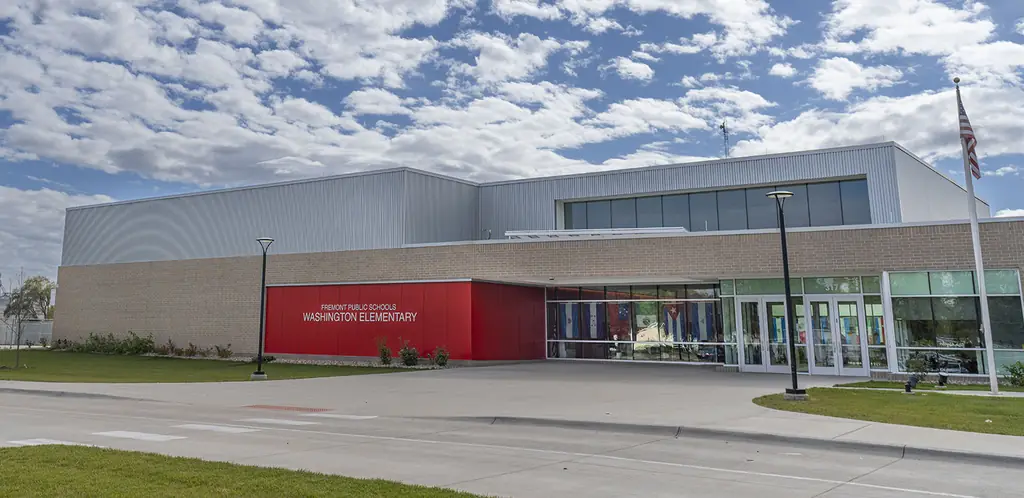
School facilities directors have a short window each year. When students leave in the spring and return in the fall, the building is empty enough to shut down heating and cooling plants and replace them. That window sounds generous. In practice it fills up quickly, which is why the successful summer replacements are almost always the ones planned many months earlier.
Boilers and chillers aren't the same planning problem
The two machines have different seasons, which changes how you schedule them. A boiler plant is idle in summer, so it's a natural candidate for replacement during the break. The heating season ends, the system is shut down, and the new boilers have the whole window to be installed, piped, tested and fired before cold weather.
A chiller is trickier. Many schools now run air conditioning in the early fall and late spring, and some run summer programs. Replacing the chiller may mean working in a period when some cooling is still needed. Options include timing the work for the weeks when buildings are least used, or arranging temporary cooling for the sections that must stay conditioned. Those choices should be made early, with the people who schedule the building.
Start with equipment, because equipment takes time
The single biggest threat to a summer replacement is equipment arriving late. Boilers and chillers are built to order, and manufacturers' lead times can be long. A project that decides in March that the old unit has to go in July may already be too late. Start by confirming the delivery schedule of the equipment you want, then build the plan backward from the date it will arrive.
This is also where design and procurement decisions matter. Early submittals, early approvals and an owner who can make a decision quickly protect the schedule more than any amount of overtime in July.
Get the old unit out and the new one in
Mechanical rooms in school buildings were often built around the original equipment, with little thought for how it would ever leave. Rigging is frequently the hardest part of a boiler or chiller swap. Before anything is ordered, walk the path from the mechanical room to the outdoors and measure it.
- Door openings, corridors and stair clearances that the new equipment must pass through, or whether a wall or roof opening will be needed.
- Floor loading along the route and in the mechanical room, including any slab or structure that supports a rooftop unit.
- Crane access, overhead lines, parking and the location of ball fields and play areas that need protection.
- Whether the old unit can be cut apart in place, which sometimes avoids the need to move it intact.
- Where the new equipment will be staged without blocking other summer projects in the same building.
A site visit with the rigger, the mechanical contractor and a facilities person usually answers these questions in an afternoon.
Piping, tie-ins and water treatment
Once the equipment is set, the work shifts to the hydronic piping around it: supply and return headers, pumps, valves, expansion tanks, controls and venting. Existing piping can hold surprises. Old valves may not close all the way, and isolating a section for tie-in can end up draining more of the building than expected. Checking isolation valves early, and replacing questionable ones as part of the work, avoids a long, wet afternoon.
Water quality matters just as much as the machine. A new boiler or chiller should be connected to a clean, flushed system with the right chemical treatment, or the old system's scale and sludge will end up in the new equipment. Midlands Mechanical lists boiler and chiller installations, hydronic piping, chemical treatment, and school remodels and new construction among its services, which puts that whole sequence under one company.
Commissioning before the first bell
The last part of the schedule is the one most likely to be squeezed. Controls need to be verified, safeties tested, sequences confirmed and staff trained. If the equipment can't be proven before students return, a school can start the year with a plant that is technically installed but not reliable.
Build in time for testing and corrections. Plan to finish the physical work well before the first day of school, and leave a margin for the things that always come up. For a boiler plant, that margin should also account for firing the system before cold weather arrives, rather than discovering a problem in the first freeze.
Working with a contractor who knows the building type
School facilities teams often get the best results by bringing the mechanical contractor in during planning instead of after the bid. A contractor with school experience can flag rigging problems, long-lead items and sequencing conflicts before they're built into the schedule. Midlands Mechanical lists education as a core project sector and has built and remodeled school buildings as one of its specialties.
If your district is thinking about a boiler or chiller replacement next summer, the best time to call is now. Reach the Omaha office at (402) 571-4258, or the Hastings office at (402) 834-0247 for projects in central Nebraska, and start with a walk-through of the mechanical room.
Midlands Mechanical, Inc., (402) 571-4258
Call (402) 571-4258More articles
What Self-Perform Means on a Mechanical Bid, and Why It Moves Your Schedule
A percentage on a bid tab says who will actually be standing in your mechanical room when the schedule gets tight.
Planning a Steam and Condensate Pipe Replacement in a Food Processing Plant
The pipe work is the easy part; the shutdown window and the sanitary rules around it decide whether the plant restarts on time.